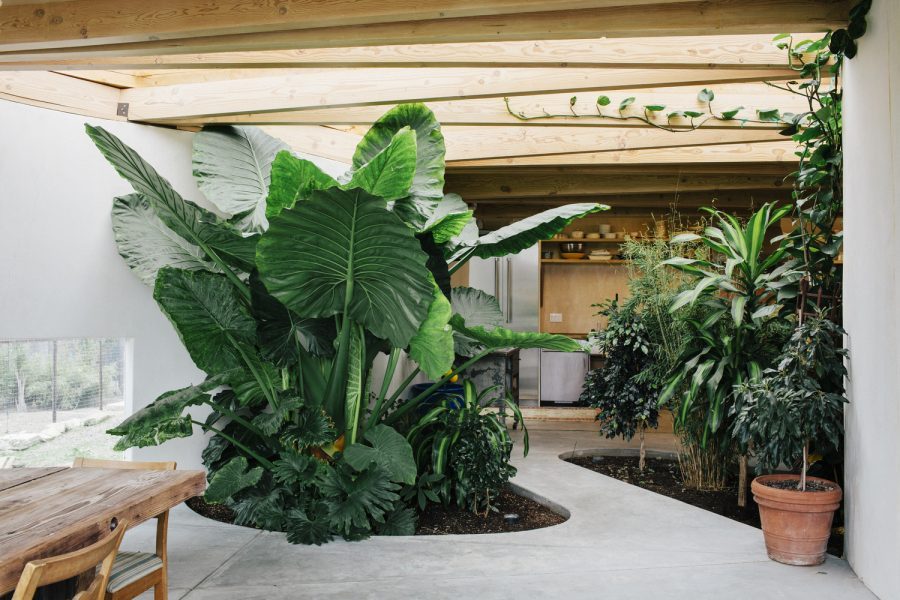
Psychology Of Spaces: How Design Shapes Our Emotions
The nervous system responds to architecture before the conscious mind does. Environmental psychology has now mapped enough of that response to design for it deliberately.
Thinking on architecture, space, and the act of building.
The nervous system responds to architecture before the conscious mind does. Environmental psychology has now mapped enough of that response to design for it deliberately.
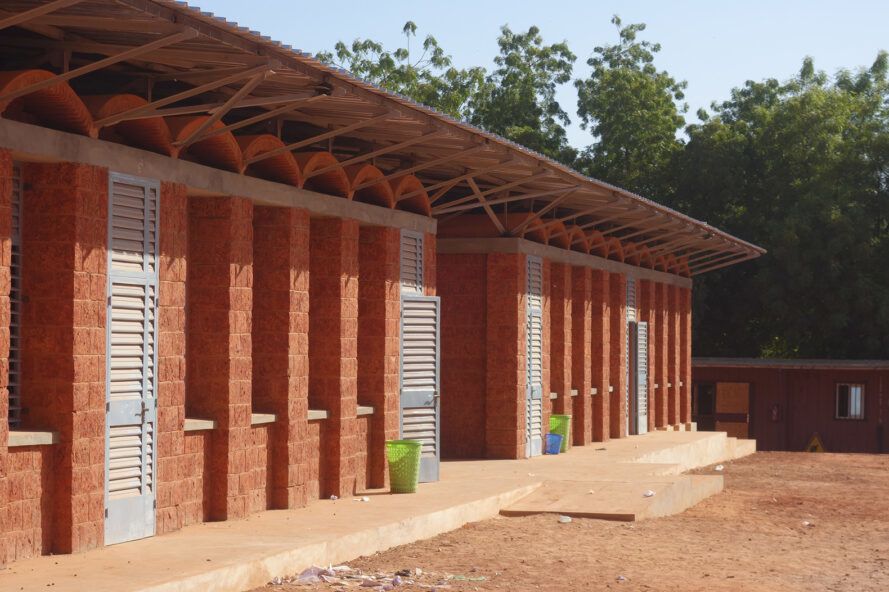
In Kenya's climate, a passive building does not fight the heat. It works with it — through orientation, shading, and ventilation that make mechanical cooling largely unnecessary.
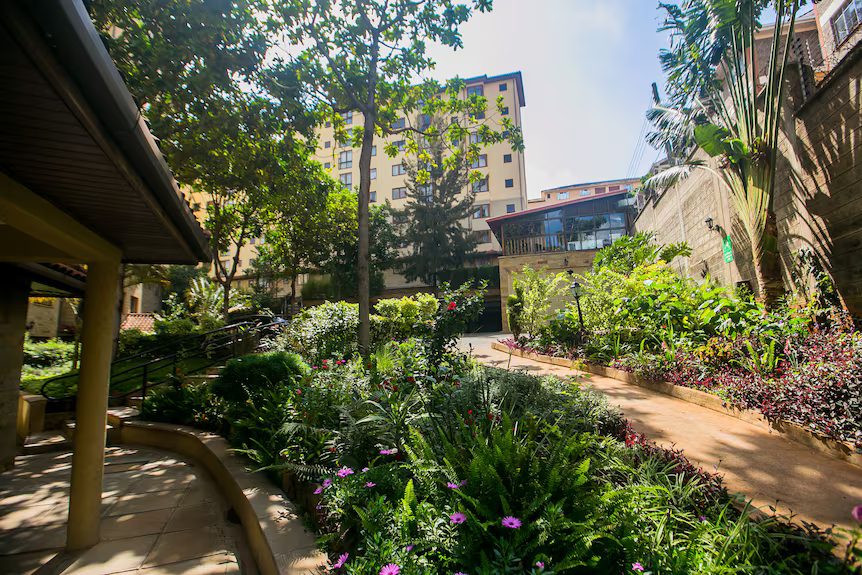
Light, acoustics, air quality, and movement patterns — the dimensions of a home that most affect how you feel are also the ones most easily overlooked at the design stage.
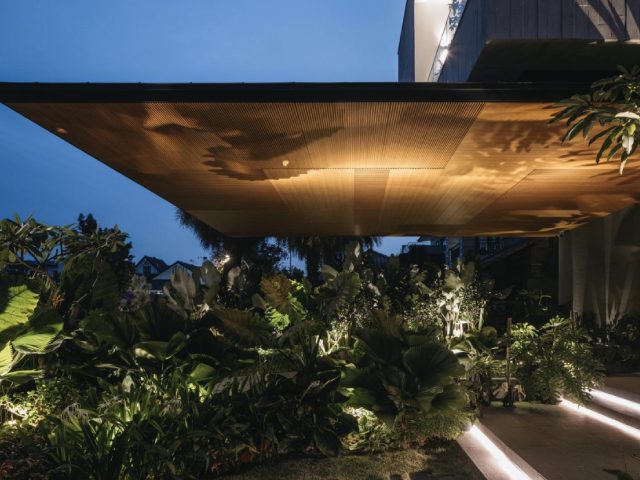
The buildings most likely to still be serving their occupants well in fifty years are not the ones built for today's conditions. They are the ones built to absorb conditions that have not arrived yet.
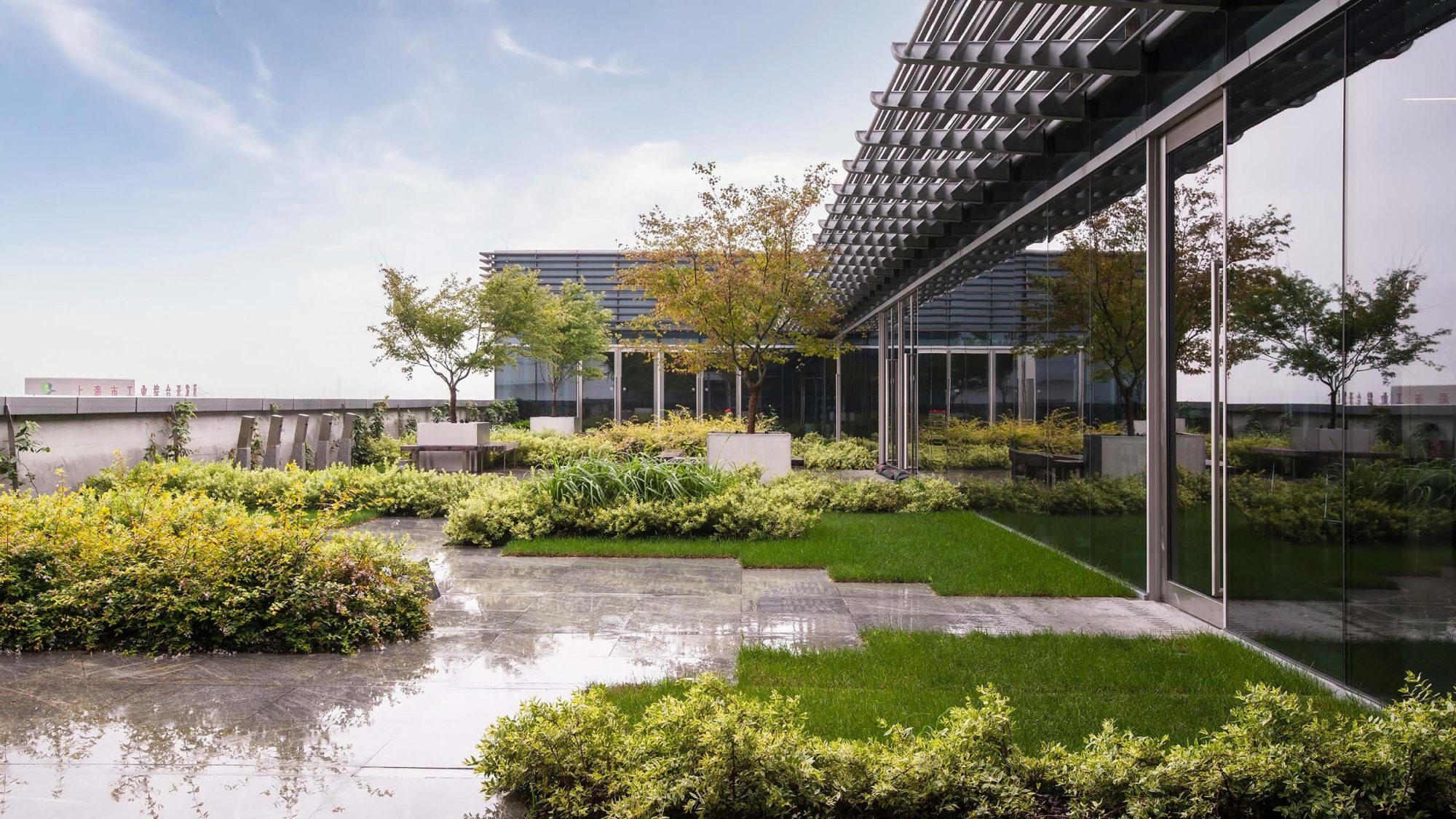
The honest case for sustainable architecture includes its limitations. Cost, material availability, and climate complexity in Kenya make the practice considerably more demanding than the theory.

What happens when the architect and interior designer never talk until it is too late? The answer is visible in most homes that feel almost right but not quite.