Psychology Of Spaces: How Design Shapes Our Emotions
The nervous system responds to architecture before the conscious mind does. Environmental psychology has now mapped enough of that response to design for it deliberately.
Walking into a room and feeling immediately at ease — or immediately unsettled — is not a subjective response to decoration. It's a response to spatial conditions: the proportion of the room, the quality and direction of the light, the acoustic character, the scale of the openings. These conditions affect the nervous system in ways that are consistent across people and have been studied in enough detail to be designed for deliberately.
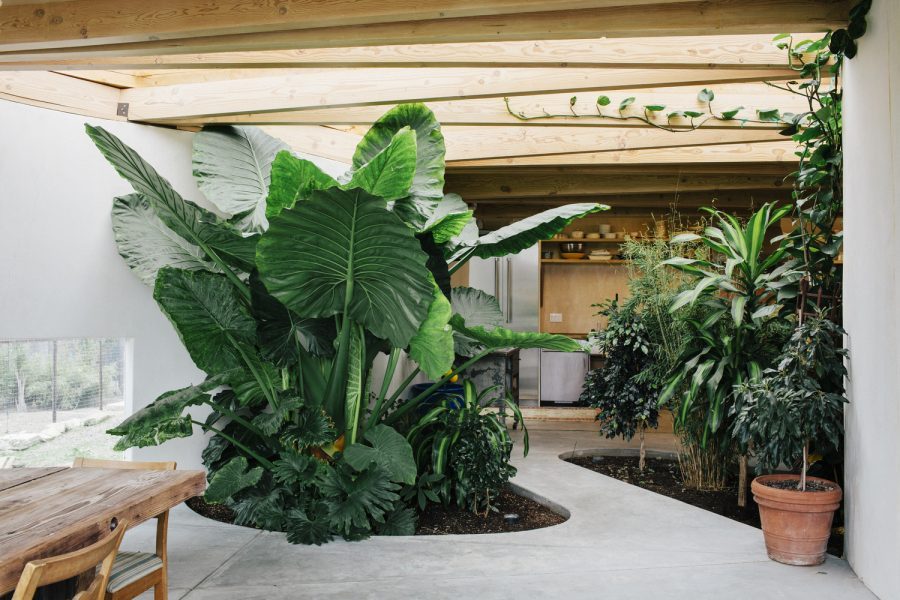
Environmental psychology — the field that examines how physical surroundings influence thought, feeling, and behaviour — has produced a body of evidence that architecture increasingly draws on. Natural light improves mood and cognitive function. Views of vegetation reduce stress markers. High ceilings tend to produce more expansive, abstract thinking; low ceilings produce more focused, detail-oriented states. Acoustic environments that allow concentration without requiring effort affect both productivity and recovery. The way a room is proportioned influences whether people feel energised or calm, exposed or sheltered, connected to others or private. These effects operate largely below conscious awareness, which is why they're so powerful — people feel the quality of a space without always being able to account for it.
Layout shapes behaviour as well as feeling. An open plan that creates visual connection across a space encourages interaction. Partitioned areas offer the withdrawal that concentration and privacy require. The arrangement of furniture determines whether a room pulls people together or keeps them apart — a detail that matters as much in a family home as in a designed public space. Retail environments make this explicit: the layout of a well-designed shop is an argument made in space, guiding movement and attention in a sequence that has been thought about carefully.
Materials contribute to emotional experience through texture and weight. Rough surfaces — exposed brick, natural stone, raw timber — carry a quality of presence and authenticity that smooth, painted finishes don't. Soft materials absorb sound in ways that make a space feel more intimate. The warmth of timber underfoot produces a measurably different sensory response than polished concrete, and neither is inherently better — they're suited to different purposes and moods. Understanding this allows material choices to be made in response to the emotional register a space is meant to produce, rather than on aesthetic preference alone.
Personalisation affects emotional connection more than almost any other variable. Spaces that carry evidence of the people who live in them — objects with personal significance, photographs, things accumulated over time — feel inhabited in a way that generic interiors don't. This quality isn't achievable through design alone; it requires the people inside the space to bring it. But design can either welcome that accumulation or resist it. Spaces with generous surfaces, flexible storage, and a restrained base palette tend to absorb personalisation well. Spaces designed to look a particular way tend to resist it — and feel less like home as a result.