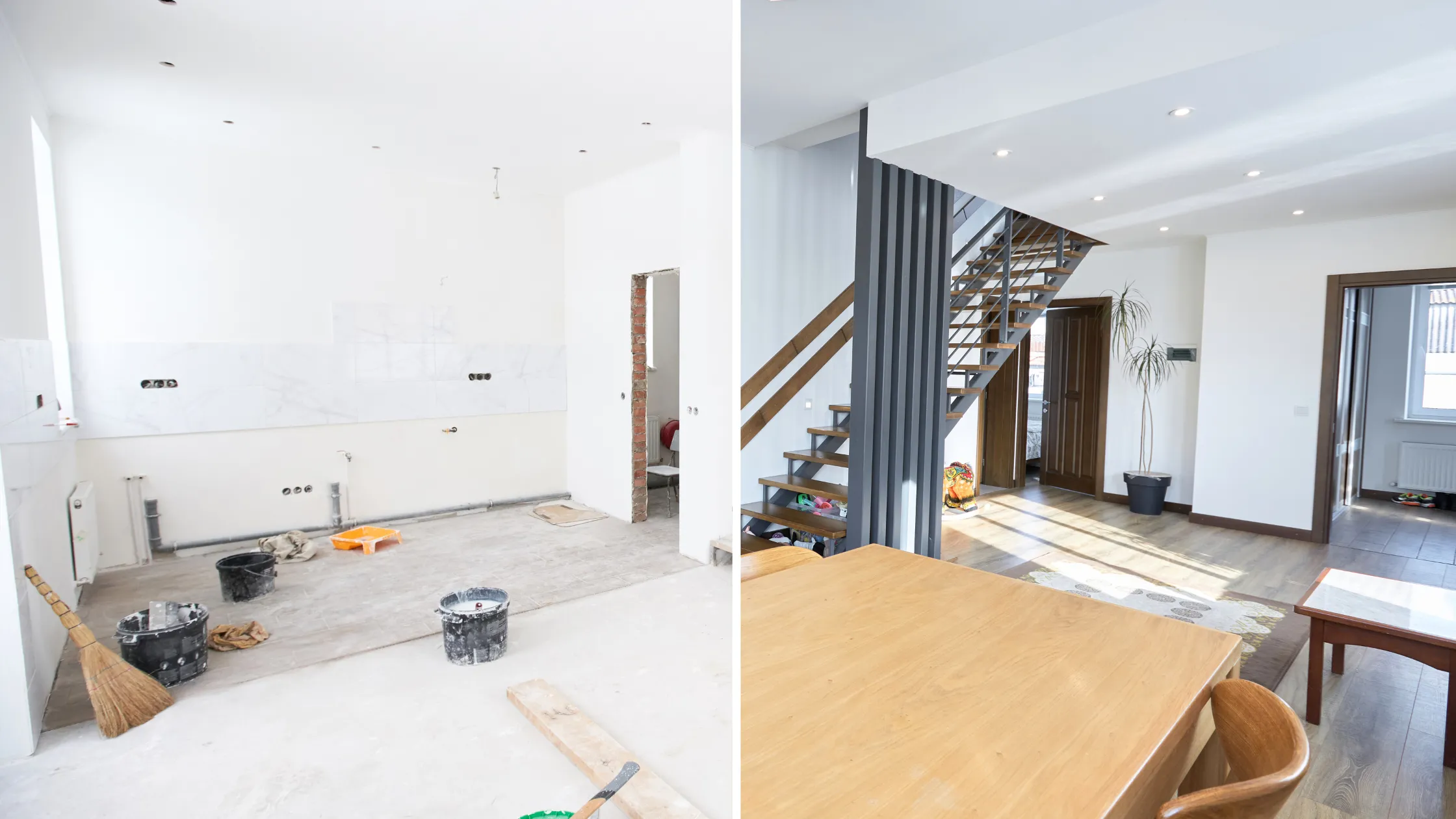
Common Mistakes To Avoid When Rebuilding Your Dream Home
The problems that surface mid-construction almost always have roots in the planning phase. Here is where the damage is usually done — and how to avoid it.
Most rebuilds run into trouble not because of bad design but because of decisions made — or avoided — before construction started. The problems that surface mid-project almost always have roots in the planning phase: a budget that didn't account for what the brief actually required, a contractor selected on price alone, design choices left unresolved until the structure made them expensive to change.
Budget is the most common failure point. The instinct to set an optimistic number is understandable, but the cost of that optimism compounds quickly once work has started. Hidden structural conditions, material price movements between tender and purchase, and scope changes that seemed minor at specification stage all have a way of arriving together. A contingency of 15 per cent on the construction cost isn't pessimism — it's the figure that projects which finish cleanly tend to have built in from the start. Equally, attempting to achieve a brief that genuinely exceeds the budget — specifying premium materials throughout, commissioning complex bespoke elements — produces either financial strain or a compromised result. The more honest path is to prioritise what matters most and find cost-effective alternatives for what doesn't.
Contractor selection deserves more diligence than it usually gets. Hiring someone familiar — a relative, a friend of a friend — on the assumption that it will be easier tends to produce the opposite. The professional distance that allows a client to hold a contractor accountable disappears when the relationship is personal. Selecting on the lowest quote alone carries its own risk: the price that wins the tender is sometimes the price that assumes shortcuts the specification didn't describe. References from completed projects, particularly on how disputes or delays were handled, tell you more than a price comparison.
The design phase is where the most important decisions are made, and it's also where the most costly delays occur. Unresolved choices — whether to include a pool, which structural system to use, what material to specify for a key surface — create downstream consequences when they're deferred until construction has already started. An architect can model the implications of different decisions before they're fixed; once a slab has been poured, those implications become invoices.
Storage is the detail that homeowners most commonly wish they'd thought about earlier. Open-plan living areas and restrained aesthetic choices are appealing, but the objects of daily life still need to go somewhere. Built-in storage integrated at the design stage costs less and works better than furniture bought to compensate for its absence.
The rebuilds that go well are usually the ones where the decisions were made in the right order: brief first, budget honest, design resolved, contractor selected on merit, and construction started only when the foundation for it was actually solid.