What Is A Passive Building And What Are Its Benefits?
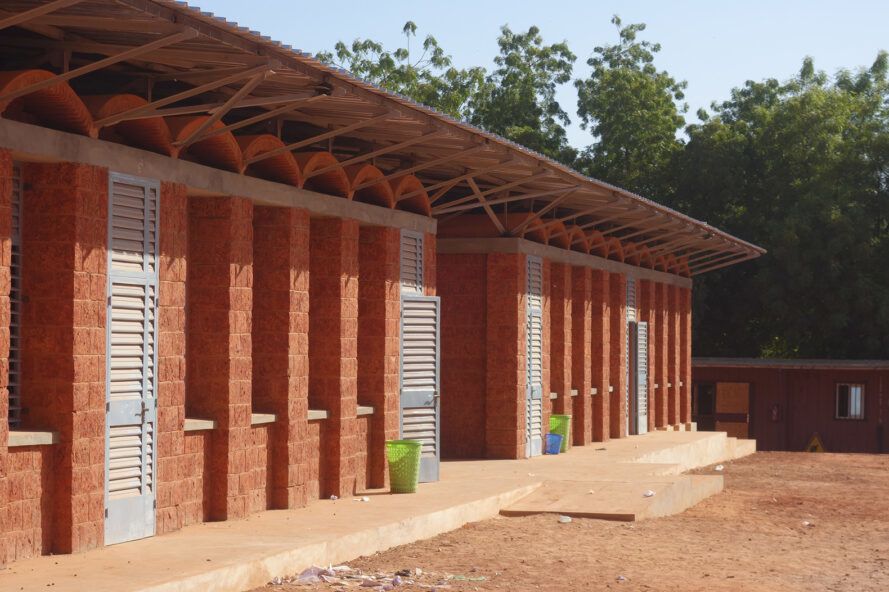
In Kenya's climate, a passive building does not fight the heat. It works with it — through orientation, shading, and ventilation that make mechanical cooling largely unnecessary.
A passive building is one that maintains a comfortable interior environment with minimal reliance on mechanical heating or cooling. It does this not through clever technology but through careful design — the orientation of the building, the performance of its envelope, the management of air movement, and the use of natural light. The systems that most buildings depend on to compensate for design decisions that didn't account for climate are largely unnecessary in a passive building because those decisions were made differently from the start.
The core principles are consistent across climate types, though their application varies. In cold climates, the priority is retaining heat: heavily insulated walls and roofs, triple-glazed windows, airtight construction that prevents heat leakage, and orientation that captures solar gain during winter. In tropical climates like Kenya's, the priority is different — keeping heat out rather than in. Deep overhangs that shade glazing from direct sun, cross-ventilation that moves air through the building without mechanical assistance, thermal mass that absorbs heat during the day and releases it overnight, and light-coloured surfaces that reflect rather than absorb solar radiation. The goal is the same: a stable, comfortable interior with minimal energy input.
Airtightness is the aspect of passive building that most surprises people unfamiliar with the approach. The instinct is that a sealed building will feel stuffy. In practice, a passive building manages air quality through a controlled ventilation system — typically heat-recovery ventilation in cold climates, or carefully designed natural ventilation in tropical ones — that maintains fresh air without the uncontrolled infiltration that makes most buildings draughty and thermally inefficient. The result is typically air that is cleaner and more consistently fresh than in a conventionally built house.
The energy savings are substantial. Passive buildings typically reduce energy consumption for heating and cooling by 70–90 per cent compared to conventional construction. Over the lifetime of a building, these savings are significant both financially and environmentally. In Kenya, where electricity costs have risen significantly and supply reliability remains variable, the resilience value of a building that requires very little energy to remain habitable is an additional argument.
Passive building principles are increasingly influencing mainstream construction in Kenya, as awareness of energy costs and climate considerations grows. The upfront investment — in better insulation, higher-performance windows, and more careful construction detailing — is recoverable through reduced running costs over a relatively short period. For new builds especially, where the opportunity to make these decisions is present from the outset, the case is straightforward.