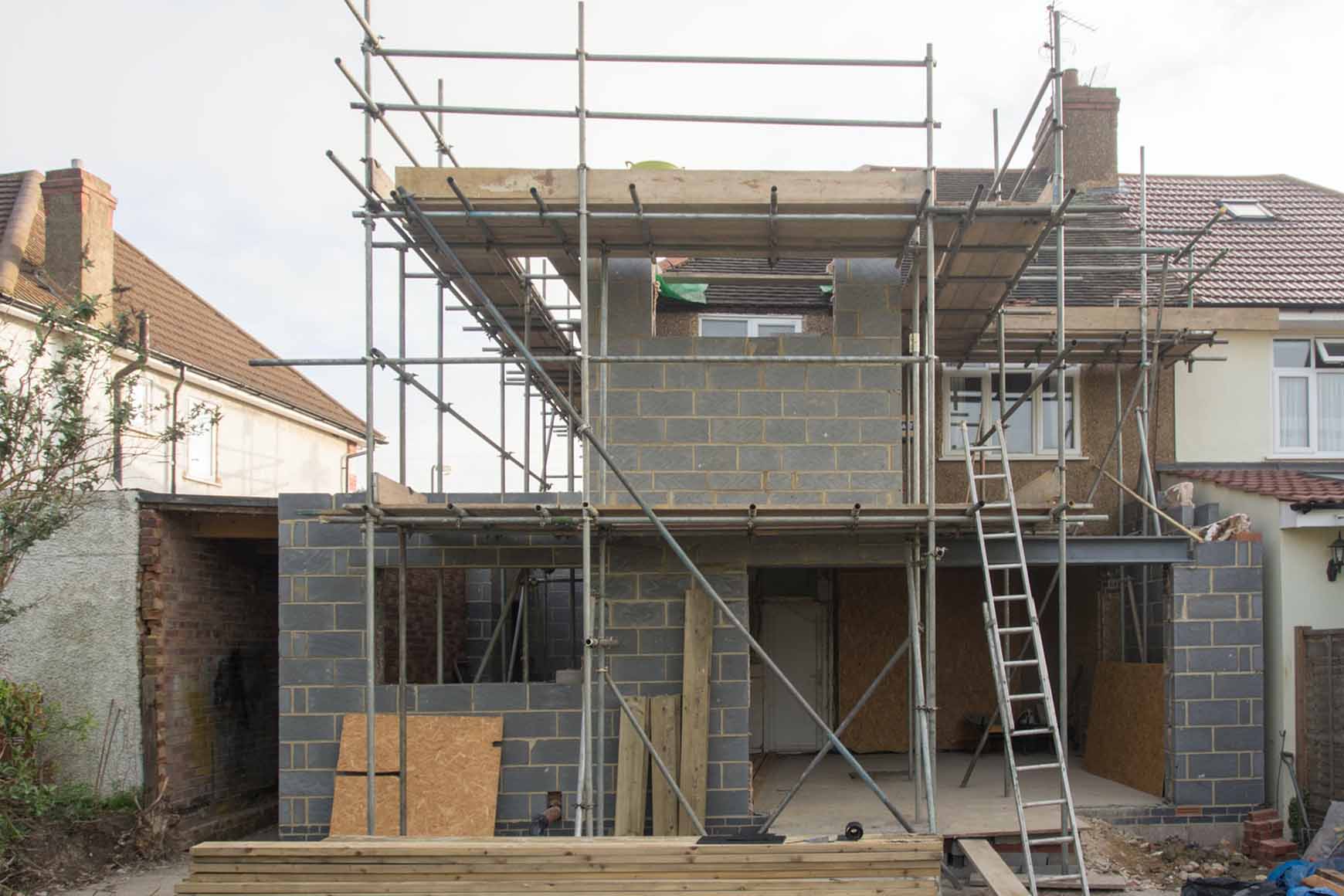
Why You Should Engage Professionals Instead Of Design & Build
When the same entity designs and builds your home, who exactly is working for you? The answer matters more than most clients realise until it is too late.
The appeal of the design-and-build model is real. One point of contact, a single contract, a promise of simplicity. What it trades for that simplicity is the independent oversight that protects a client's interests when design quality and construction cost pull in opposite directions — which they almost always do.
When the same entity is responsible for designing a project and building it, the financial incentive is to resolve that tension in favour of construction efficiency. Specifications get simplified. Materials get substituted. Details that would have been caught by an independent architect reviewing the contractor's work pass through because no one with the client's interests is looking. This isn't necessarily bad faith — it's the structural logic of the model. Design-and-build firms are optimising for delivery, not for the quality of what gets delivered.
Engaging a professional architecture firm separately means the design is developed for its own sake — for what the client actually needs, not for what's easiest to build to a fixed price. Architects working independently of the contractor think differently about the brief: they ask more questions, propose more options, and push back on constraints that a design-and-build firm would simply absorb into the specification without comment. The result tends to be a more considered outcome and one that the client has more genuine input into.
Independent professional engagement also means transparent budgeting. A lump-sum design-and-build quote gives you a number; it doesn't show you what's inside it. Engaging professionals separately produces detailed cost breakdowns and the ability to seek competitive bids from multiple contractors — which creates pressure on pricing and gives the client a realistic basis for comparison. Architects can assess those bids on technical merit, not just on the headline figure.
The broader point is that a client's interests and a contractor's interests are not the same, and in a design-and-build arrangement there is no one whose formal role is to represent the former. Independent architects and designers occupy that role. The fee for that service is also the fee for having someone in the room who is working for you.