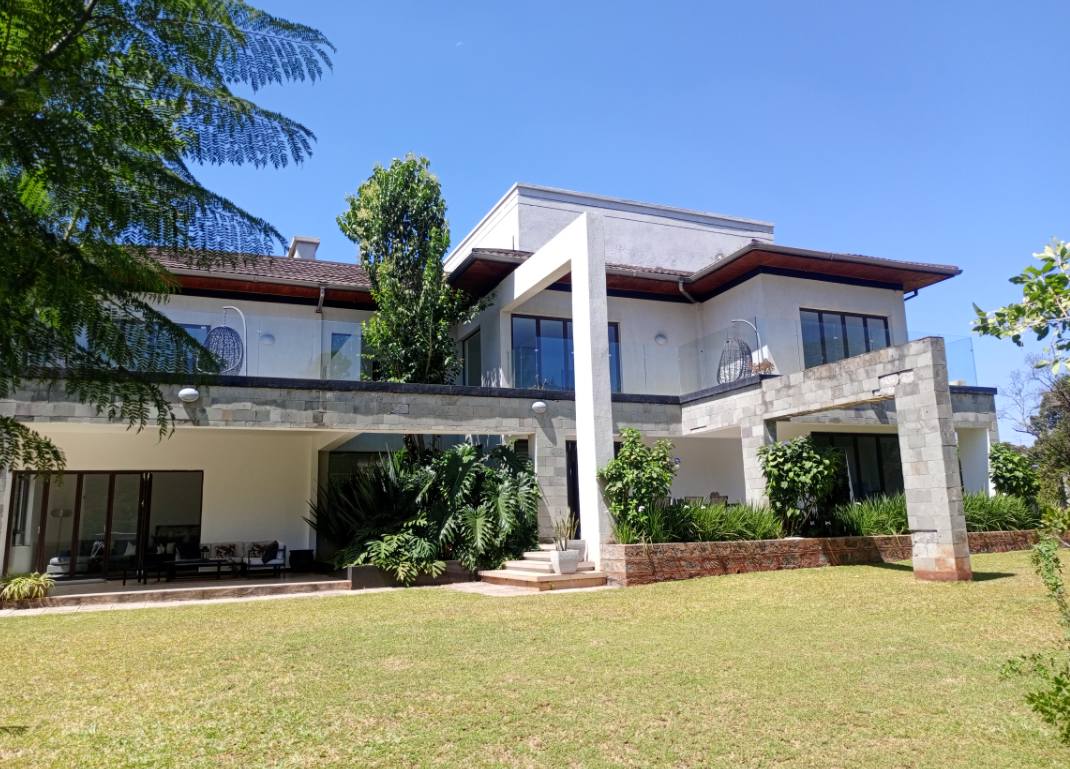
Why A House Is Not Just A House: Exploring Its True Value
The financial value and the human value of a home point in the same direction. Here is why treating them as separate concerns is a mistake.
A house is where certain things happen that don't happen anywhere else. A child's first steps. A family dinner that runs three hours longer than expected. The particular quiet of a Sunday morning. These moments don't require a remarkable building to occur, but a well-designed one makes them more likely — and more memorable.
The design of a house shapes its character before anyone moves into it. The architecture, layout, and materials establish conditions — of light, of scale, of connection between rooms — that influence how the people inside it feel and behave. An open-plan living room with generous windows creates a different quality of family life than a series of closed rooms. A kitchen designed as a social space rather than a utility produces different patterns of gathering. These aren't incidental outcomes. They're what design is for.
In Kenya's property market, a house is also a financial asset, and the two things — emotional value and investment value — are not as separate as they're sometimes treated. A well-designed home in a considered location holds its value and tends to appreciate it, but the quality of the design is part of what drives that. Homes that respond well to their climate, use durable materials, and are genuinely pleasant to live in attract more interest than those that don't, because the people looking at them can feel the difference.
Sustainability adds a further dimension to value that's becoming harder to ignore. A home designed with natural ventilation, energy-efficient systems, and materials that minimise environmental impact costs less to run and carries lower long-term maintenance. In a market where those running costs are increasingly visible to buyers, a house that handles them well is a more attractive proposition than one that doesn't.
A house also exists in relation to its neighbourhood and community. Proximity to good schools, parks, accessible transport, and functional public spaces all contribute to how a home is experienced and what it's worth. The private space and the public context are not separable in practice — the best residential architecture understands both.
What a house is worth, ultimately, is not separable from what it's like to live in. The financial value and the human value point in the same direction. Design that takes both seriously tends to produce buildings that hold up — in the market and in memory.