What Makes Architecture Timeless And Why It Outlasts Trends
Proportion, material honesty, and a genuine response to place: the qualities that make architecture timeless have been consistent across centuries. Here is what they mean for building in Kenya today.
Every generation of architects produces work that belongs unmistakably to its moment — and work that doesn't. The difference isn't quality. It's whether the design was built on principles that outlast fashion or on the particular obsessions of a decade. Gothic cathedrals and modernist houses from the 1950s still compel people precisely because they were designed around something more durable than trend.
Proportion is the quality most immediately felt in any building. A room with the right relationship between ceiling height, floor area, and window size feels correct before anyone has placed a piece of furniture in it. That correctness isn't subjective — it registers consistently because human perception responds to proportional relationships that have been understood since antiquity. Buildings that get these relationships right remain satisfying to be inside regardless of what decade their finishes were chosen.
Material honesty is the second quality. Timber, stone, exposed concrete, and brick all age in ways that add to a building's character rather than revealing its wear. A timber floor walked on for twenty years develops a patina that can't be replicated. Stone weathers in ways that make it look more itself over time. These materials were present in architecture for centuries before they became fashionable again precisely because they behave well across generations. Surfaces that are honest about what they are — that don't simulate other materials or apply finishes that mask their underlying nature — tend to age more gracefully than those that do.
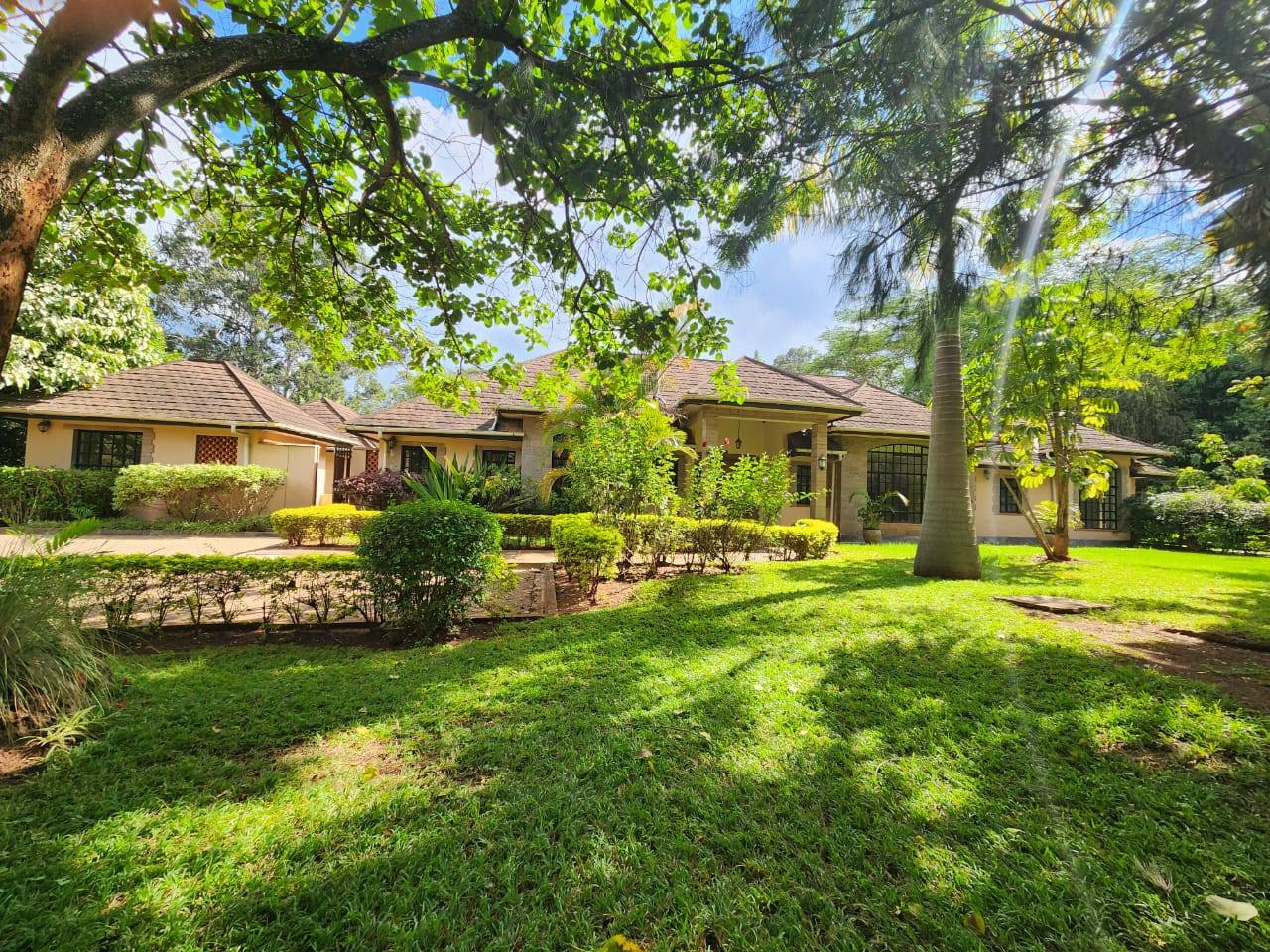
Connection to place is one of the most reliable indicators of longevity in architecture. Buildings rooted in their location — that respond to the local climate, orient themselves correctly to the sun, use materials that belong to the region — carry meaning that transcends style. In Kenya, this means engaging seriously with sun orientation, cross-ventilation, the relationship between inside and outside space, and the visual character of the local landscape. A courtyard, a veranda, a shaded walkway: these elements feel relevant across generations because they answer enduring human needs for gathering, shade, and transition between inside and out. A home that solves these problems well doesn't need to reach for style to feel significant. The quality of the solution is the architecture.
Sustainability and timelessness are the same argument made from different directions. Buildings designed for natural cooling, with durable materials and genuine energy efficiency, are designed for longevity by definition. Trend-driven architecture, by contrast, tends to carry a maintenance burden. Unconventional features and fragile finishes that read as distinctive in their moment often become expensive liabilities within a decade. Timeless design avoids this trap not by being conservative but by being grounded. The satisfaction it offers deepens over time rather than diminishing.
The homes that last in memory and in value are the ones where these decisions were made deliberately rather than defaulted into. The principles that recur in architecture that endures are straightforward: simplicity of form, honest use of materials, spatial layouts that can accommodate changing needs, and a consistent focus on the human experience of being inside. When these are present, a building tends to be valued by the people who inhabit it long after the context that produced it has shifted.