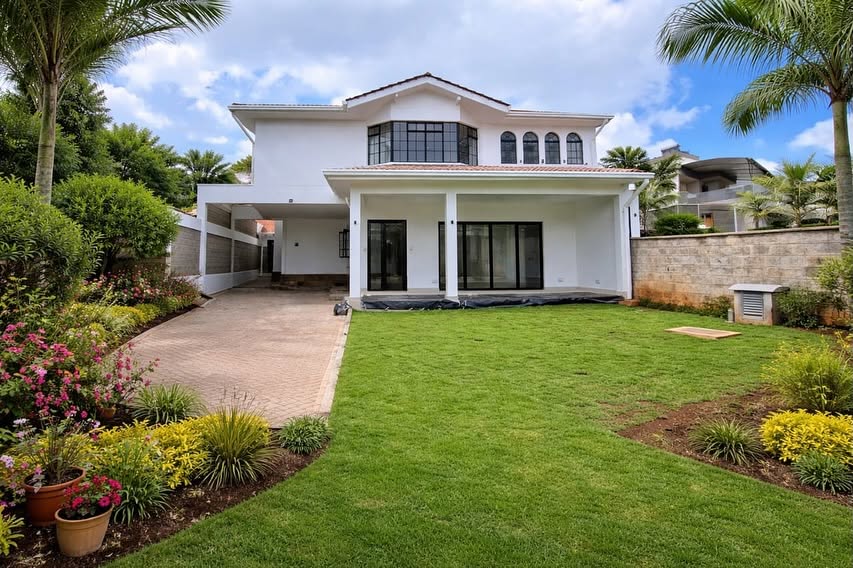
What It Means To View Your House As A Living Thing
What if the way you think about your home — as an object to own rather than a system to inhabit — is the thing holding it back?
A house breathes. Not metaphorically — through ventilation systems, open windows, and passive airflow, a building exchanges air with its environment continuously. The ones designed to do this well feel different to be inside: the air moves, the temperature stays stable, the quality of light changes through the day in ways that feel connected to something outside. This is not a feature. It is what architecture is supposed to do.
The idea of a house as a living thing is useful because it shifts the design frame from object to organism. An organism has systems that regulate it, responds to its environment, and changes over time without losing its essential character. A well-designed home does all of these things. It manages heat and light through its orientation and its openings. It supports the daily rhythms of the people inside it — morning light where mornings happen, quieter rooms where quiet is needed. It ages in ways that add to its character rather than diminishing it.
Materials are where this quality is most tangible. The warmth of timber underfoot. The way concrete retains heat through a cool evening. The sound of rain on a metal roof that somehow settles rather than intrudes. These are not incidental sensory experiences — they are the feedback a house gives to the people living in it. Spaces that echo the natural world through texture, light, and acoustics create a quality of presence that sterile, over-finished interiors never achieve. People feel more settled in them without always being able to say why.
A house designed with longevity in mind should also evolve with the people who occupy it. A young couple needs different things from their space than a family with children, and different things again as those children leave and parents age. Modular elements, convertible spaces, and materials that weather beautifully rather than deteriorating allow the house to absorb these changes gracefully. The structure provides continuity; the arrangement within it can shift.
None of this requires a dramatic architectural concept. It requires attention — to how the building sits on its site, to what the people inside it actually need, to the sensory qualities of the materials chosen. When that attention is present in the design process, the result is a house that feels inhabited rather than occupied. That distinction is subtle but completely legible to anyone who walks through the door.