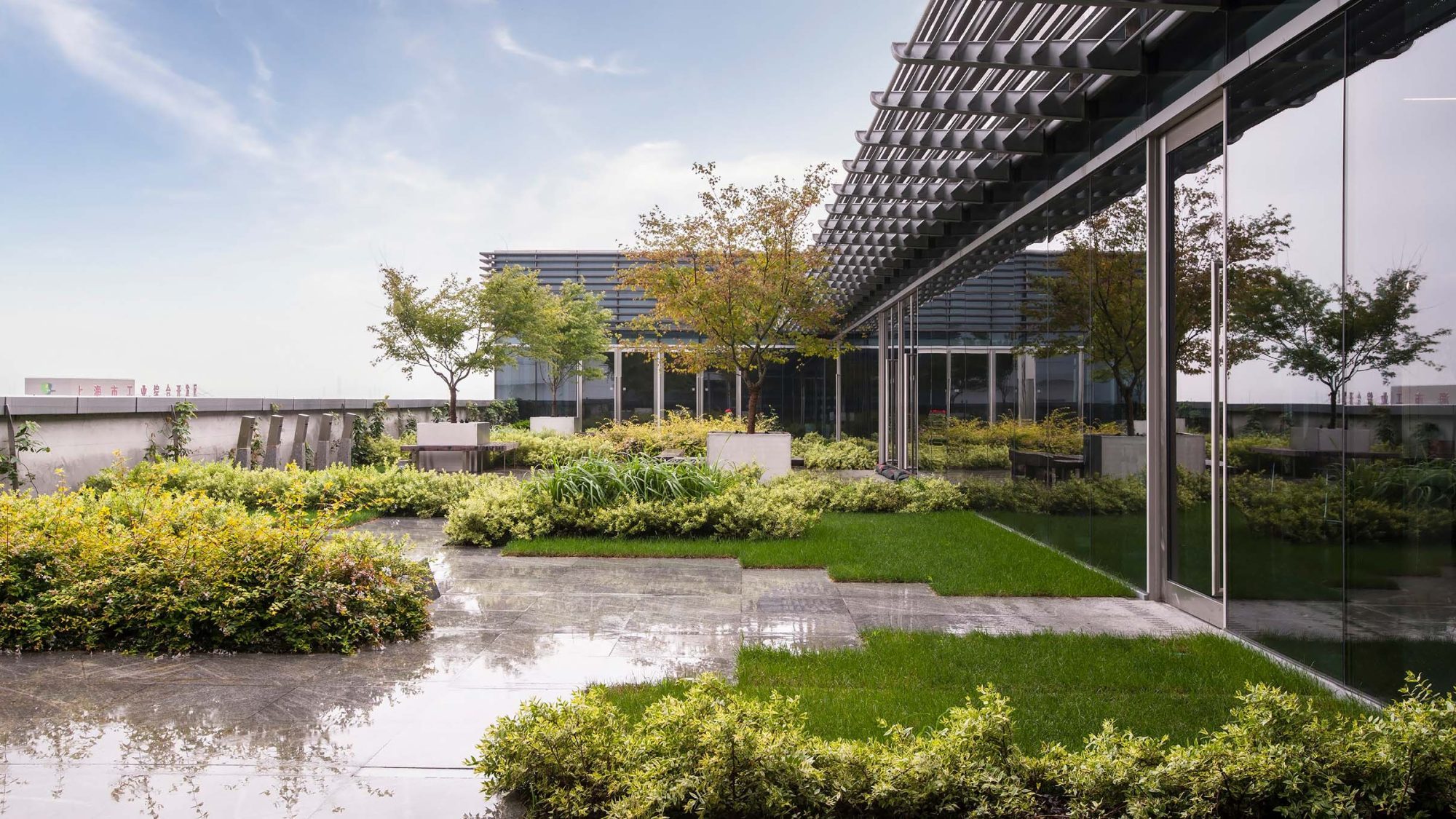
Urban Biodiversity: The Ecological Impact Of Green Roofs
A single planted rooftop changes almost nothing. In aggregate across a dense urban area, green roofs create corridors that support life where the built environment would otherwise offer none.
Cities are not good environments for most living things. The surfaces that make urban areas function — roads, pavements, rooftops — are largely impermeable, hostile to vegetation, and disconnected from the ecological systems that existed before the buildings arrived. Green roofs don't reverse that condition, but they interrupt it in ways that have measurable effects on the biodiversity of the areas around them.
The mechanism is straightforward. A planted rooftop provides habitat and food sources for birds, insects, and pollinators in environments where both are scarce. Even a modest green roof in a dense urban area creates a corridor — a place where species can survive and, in aggregate across multiple buildings, move through a cityscape that would otherwise offer nothing. In Kenyan cities where residential development is pushing into areas that were recently habitat, this matters more than it might in cities where the ecological baseline was lower to begin with.
The thermal effects of green roofs compound the biodiversity benefit. Planted surfaces absorb and diffuse heat rather than radiating it back into the surrounding air, which moderates the urban heat island effect that makes city centres measurably warmer than surrounding areas. This moderation benefits the plants on the roof itself, the building underneath, and the local microclimate — creating conditions that are more hospitable to a wider range of species than the unmodified rooftop would allow.
Stormwater management is the other significant ecological function. A green roof retains substantial quantities of rainwater in its substrate, releasing it gradually rather than channelling it directly into drainage systems. This slows the peak flow that overwhelms urban drainage during heavy rain, reduces the volume of runoff that carries urban pollutants into waterways, and supports the plant life on the roof through the dry season. In Nairobi, where seasonal rainfall is intense and drainage infrastructure is under constant pressure, the stormwater benefit of widespread green roof adoption would be significant.
The species selection for any given green roof determines much of its ecological value. Native plants — those adapted to local rainfall patterns, temperatures, and soil conditions — tend to support local biodiversity more effectively than ornamental species selected for appearance. They require less irrigation, establish more reliably, and provide food and habitat for the insects and birds that evolved alongside them. This is both an ecological argument and a practical one: a green roof planted with appropriate native species is more likely to still be functioning well in ten years than one planted with species that require constant management to survive.