The Power Of Less: Benefits Of Minimalism In Architecture
The case for doing less in architecture turns out to be stronger than it looks: less maintenance, more flexibility, better materials, and spaces that reward attention rather than demanding management.
Minimalism in architecture is sometimes misread as a style preference — a fondness for white walls and empty surfaces. It's more useful to understand it as a discipline: the sustained effort to identify what a space actually needs and to remove everything that doesn't serve that need. The result doesn't necessarily look austere. It looks considered.
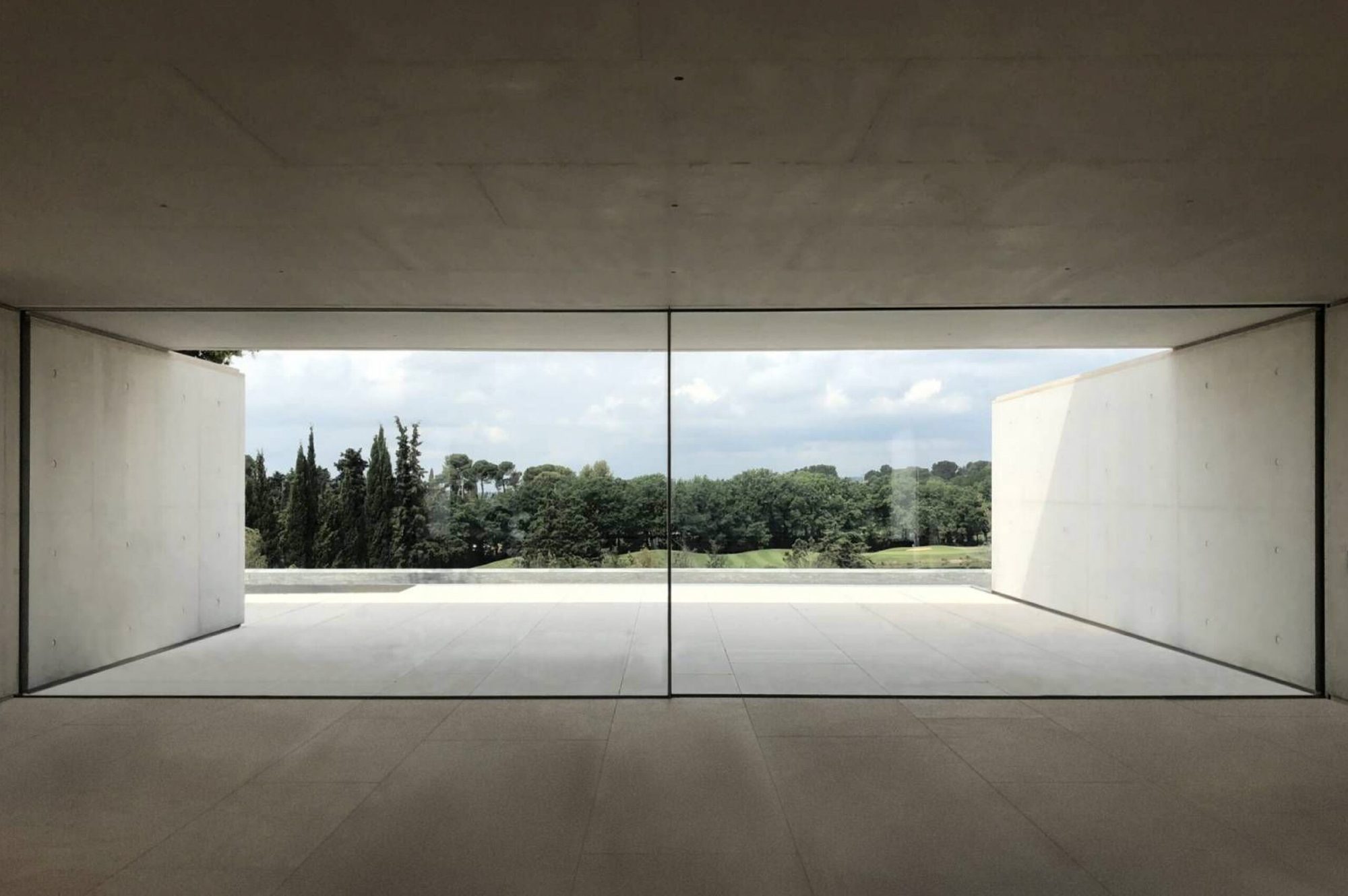
The functional argument for restraint is straightforward. Every element added to a space creates maintenance demands, complicates cleaning, and introduces the possibility of visual noise. A room with fewer elements is easier to keep ordered and easier to refresh when tastes change. The absence of decoration doesn't make a space feel empty if the proportions are right, the materials are well-chosen, and the light has been thought about. In fact, a restrained space tends to reveal the quality of those underlying decisions more clearly than a decorated one, where finish and ornament can obscure whether the bones are good.
Minimalist layouts tend toward openness and flexibility by default. Without the clutter of unnecessary partitions and accumulated elements, spaces can serve multiple functions at different times of day without feeling compromised in either mode. This adaptability is particularly valuable in residential design, where the uses of a space shift across the day and across the years. A clear, unencumbered room accommodates change more easily than one that's been densely configured.
The material dimension of minimalism is where the discipline has its clearest intersection with sustainability. Fewer materials means fewer resources consumed in construction, fewer products requiring maintenance and eventual replacement, and a simpler building to dismantle or adapt at the end of its useful life. The preference for natural materials that age well — stone, timber, concrete — aligns with the restrained sensibility: these are materials that develop character over time rather than degrading, which means they suit the minimalist commitment to removing rather than adding as a building matures.
What minimalism ultimately offers is a particular quality of attention. Spaces designed with genuine restraint ask the occupant to notice what's there — the quality of light on a surface, the texture of a floor underfoot, the view through a window — rather than managing visual complexity. For those who respond to that quality, it produces an environment that remains satisfying over time in a way that more declarative design rarely does.