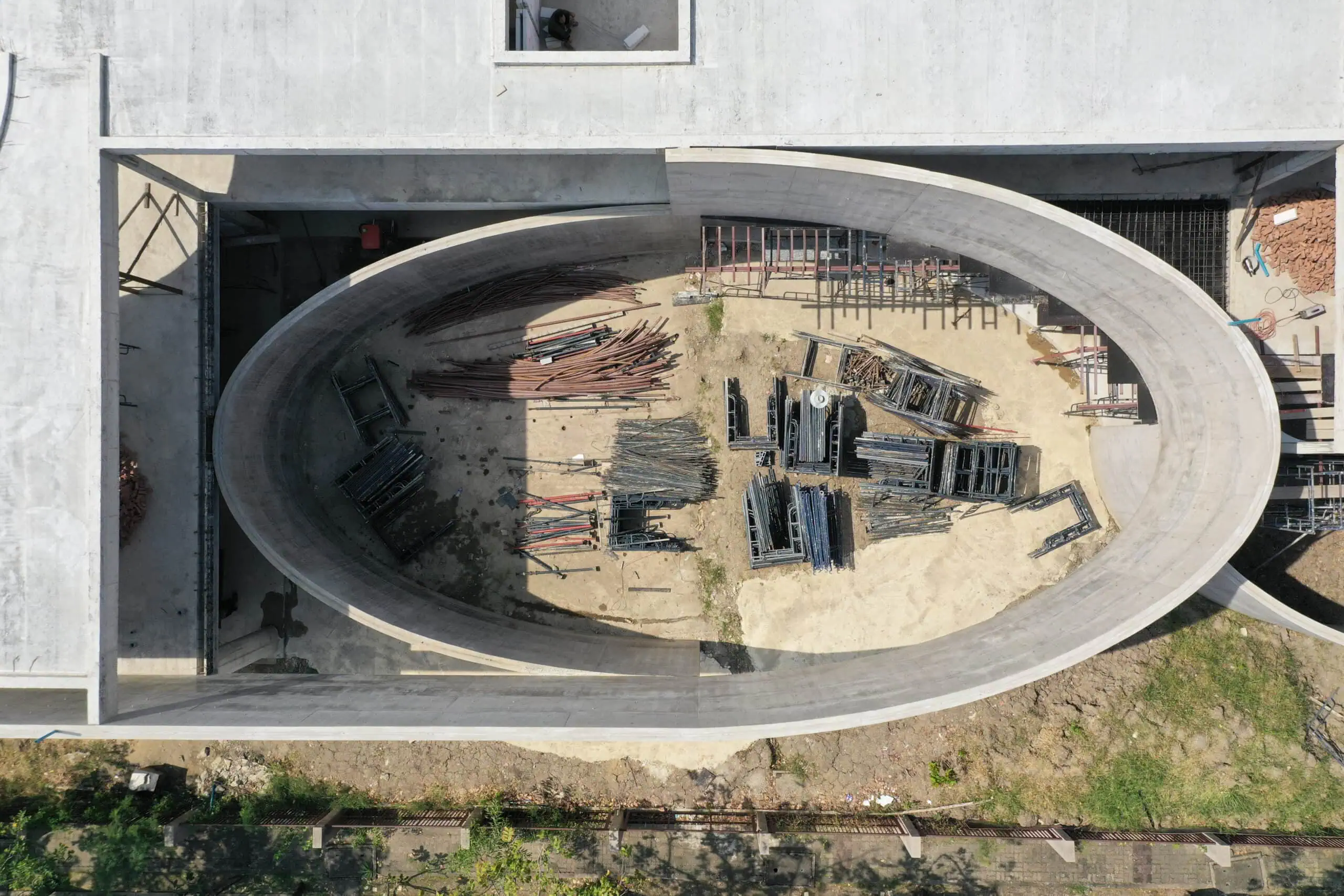
The Joy Of Building Your Dream Home From The Ground Up
A blank plot is one of the rarest opportunities in architecture. The question is how to use that freedom without being undone by it.
Building from a blank plot is one of the few times in life when the brief is entirely yours. No previous owner's decisions to work around, no compromises inherited from an earlier layout. The kitchen can be where it should be. The light can come from the right direction. The spaces can be sized for how you actually live rather than how someone assumed you might.
That level of control is also where most of the difficulty lives. The decisions that feel abstract at the start — orientation, ceiling heights, the relationship between inside and outside — are the ones that determine how the finished house feels to be in every day. Getting them right requires working with people who ask the right questions early, before the structure is fixed and changes become expensive.
Budget is where most self-builds run into trouble, and usually for the same reason: the contingency wasn't generous enough. A 15 per cent buffer on top of the estimated construction cost is the standard recommendation, and it tends to get used. Hidden ground conditions, material price shifts, scope changes that seemed minor at the time — these accumulate. Clarifying early what is and isn't included in any quoted figure avoids the more painful version of this discovery mid-construction.
The team matters as much as the design. An architect, a contractor, and potentially an interior designer all need to communicate clearly with each other and with you. Understanding from the start how design changes will be managed, how costs are tracked, and what the realistic timeline looks like prevents the kind of misalignment that turns a building project into a protracted negotiation. References from previous clients — particularly on how problems were handled, not just whether the finished work looked good — tell you more than a portfolio.
Building sustainably is easiest when it's considered from the start. Solar panels, rainwater harvesting, energy-efficient glazing, and passive cooling strategies are all significantly cheaper to integrate during construction than to retrofit later. The running costs they reduce are cumulative — the savings compound over the life of the building. A home designed to work with its climate from the outset is a fundamentally different proposition to one that fights it.
The milestones stay with you. Breaking ground, watching the frame rise, walking through a structure that was a drawing six months ago — these mark a process that most people find more meaningful than they expected. The finished house carries that history. It was made from decisions you made, for a life you designed it around.