The 2026 Guide To Net-Zero Living In Tropical Climates
The path to net-zero living in Kenya begins not with technology but with how a building is oriented, ventilated, and shaded — everything that happens before the solar panels go on.
Net-zero living in a tropical climate starts with a different problem than it does elsewhere. The challenge isn't keeping heat in — it's keeping it out. In regions defined by high temperatures, humidity, and heavy rainfall, the most consequential design decisions are the ones made before a single solar panel is specified.
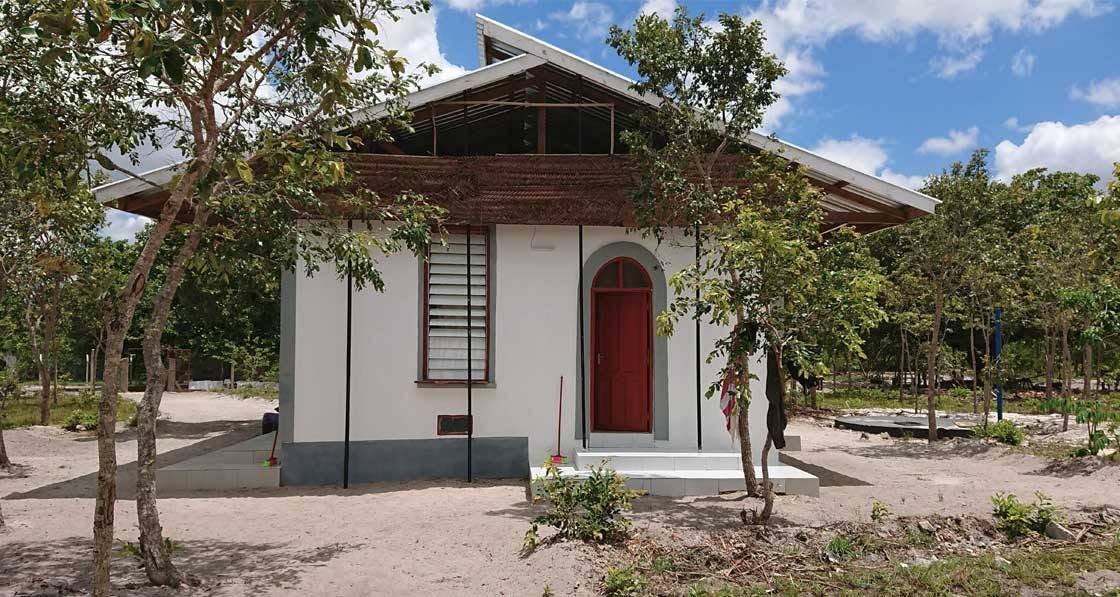
Climate-responsive architecture does the heavy lifting. Buildings oriented to minimise direct sun exposure, with deep overhangs shading the windows, significantly reduce heat gain before any mechanical system is involved. Cross-ventilation — layouts that draw prevailing breezes through the interior via louvres, open corridors, and strategically placed vents — can cool a well-designed house without air conditioning for much of the year. Light-coloured roofing and reflective wall materials reduce heat absorption. Green roofs and planted walls provide insulation through evapotranspiration while managing stormwater. These aren't add-ons. They are the foundation.
Solar power is the obvious energy layer in tropical climates, where sunshine is reliable and abundant. Photovoltaic panels on rooftops or integrated into shade structures, paired with battery storage, can supply most or all of a household's electricity needs. The economics are straightforward: the upfront investment returns through reduced bills over time, and the environmental case only strengthens.
Reducing dependence on air conditioning matters as much as generating clean energy. High ceilings and ventilated roof spaces keep air moving. Ceiling fans extend comfort into conditions where passive ventilation alone falls short. Proper insulation and thermal mass stabilise indoor temperatures across the day, reducing the peaks that trigger mechanical cooling. Window treatments — light-coloured blinds, glazing film — block heat while preserving daylight.
Water deserves the same attention as energy. Tropical rainfall is abundant but seasonal, and municipal supply is not always reliable. Rainwater harvesting for irrigation, toilet flushing, and laundry reduces dependence on the grid. Greywater recycling — treating water from showers and sinks for landscape use — closes another loop. Low-flow fixtures reduce consumption without affecting daily comfort.
Outdoors, the choices matter too. Native and drought-tolerant planting requires less water and supports local biodiversity. Permeable surfaces on paths and driveways allow rainwater to infiltrate rather than run off, reducing pressure on drainage and recharging groundwater.
None of this requires living with less. A well-designed net-zero home in the tropics is more comfortable than a poorly designed conventional one — quieter, cooler, more resilient to power outages, and cheaper to run over time. The goal isn't sacrifice. It's building in a way that works with the climate rather than against it.