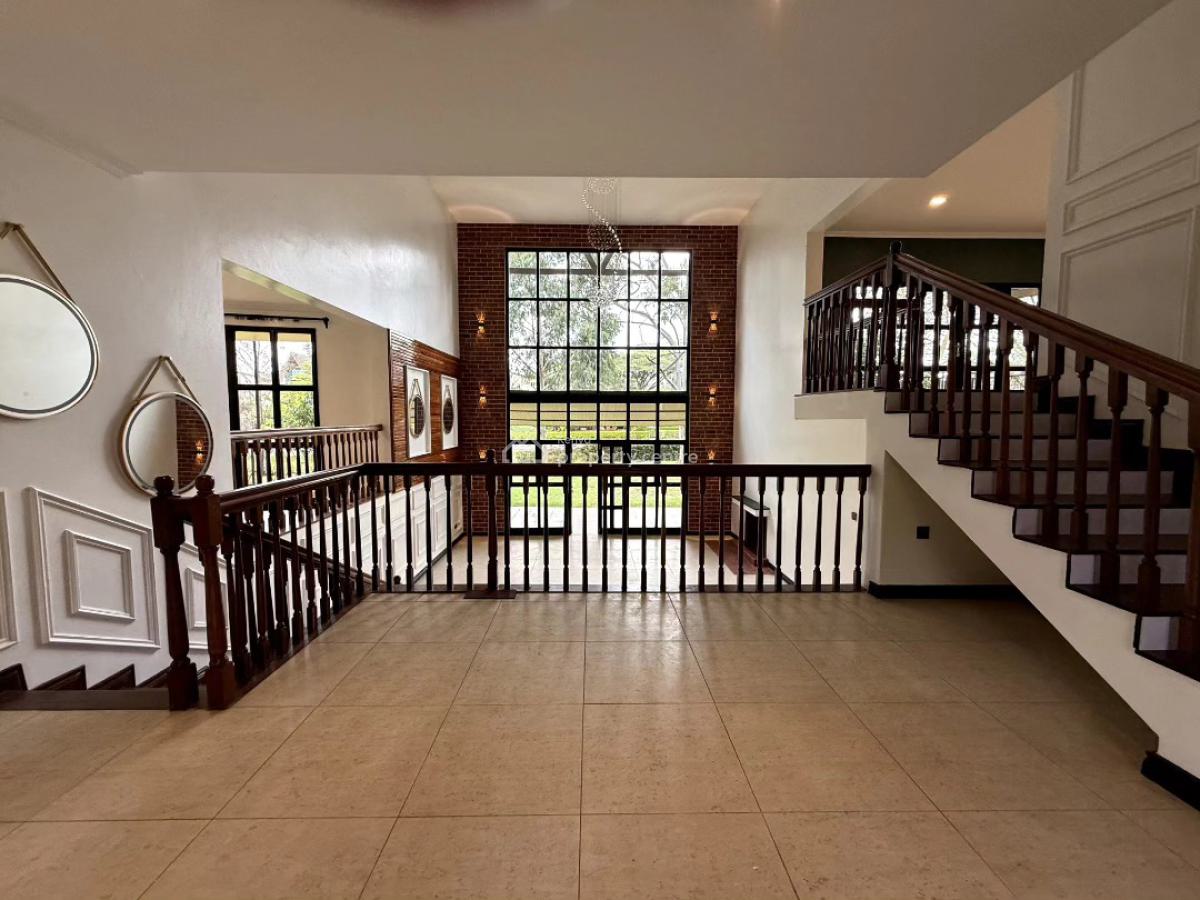
Spaces Designed For How You Actually Live
Good architecture begins with observation, not style. The homes that feel effortless to live in were designed around the specific patterns of their occupants — not assumptions about what those patterns should be.
The best homes aren't the ones that photograph well. They're the ones where life flows naturally — where the kitchen is designed for how you actually cook, the living area for how your family actually gathers, the bedroom for how you actually sleep. This distinction sounds obvious. In practice, most homes are designed for how people are assumed to live rather than how they do.
Good design begins with observation. Before a line is drawn, the most useful thing a designer can do is watch how people actually move through their days — the route from the bedroom to the kitchen in the morning, where bags get dropped when someone comes home, which corner of the living room gets used and which doesn't. Design that starts from this kind of real behaviour asks different questions: not what style do you prefer, but when do you use the kitchen and how many people are usually in it. The answers produce layouts that feel inevitable rather than imposed.
Circulation is the part of a floor plan that most affects daily life and gets the least attention in early conversations. A wide entrance hall that allows for pausing, storing, and greeting is more valuable than its square footage suggests. A kitchen positioned near the entry eases the daily ritual of carrying groceries. Bedrooms placed at the quieter end of the plan give privacy without requiring extra doors or soundproofing. These aren't dramatic design moves — they're the difference between a house that works and one that quietly frustrates.
Every design decision carries intent in a well-considered home. The height of a kitchen counter. The position of a light switch. The depth of a windowsill. When architects and designers genuinely understand the people they're working for, even these minor elements serve a purpose. A family with young children benefits from open sightlines between the kitchen and the living area. A couple who both work from home needs clearly defined zones that allow concentration and separation within the same house.
Light and natural materials have a disproportionate effect on how a space feels to live in day to day. Morning light in a breakfast area creates a different quality of start to the day than the same room lit artificially. A living room that opens toward a garden, even a small one, changes the psychological experience of being inside. Natural stone, timber, and metal develop character with use rather than showing damage — the choices that keep a home feeling considered rather than worn over time.
Climate and culture shape what good design means in a specific place. In Kenya — whether in Nairobi's highlands or along the coast — cross-ventilation strategies, generous overhangs, and indoor-outdoor transitions that respond to the weather and the way people actually want to live aren't aesthetic choices. They're responses to real conditions, and homes that make them feel more comfortable and more honest about where they are.
Adaptability is the quality that keeps design honest over time. Movable partitions, multi-purpose rooms, and integrated storage allow spaces to shift function without structural intervention. The homes that remain genuinely useful across decades are the ones where someone thought carefully about change before the foundations were poured. Good design doesn't look a particular way. It feels a particular way — settled, purposeful, and specific to the people inside it.