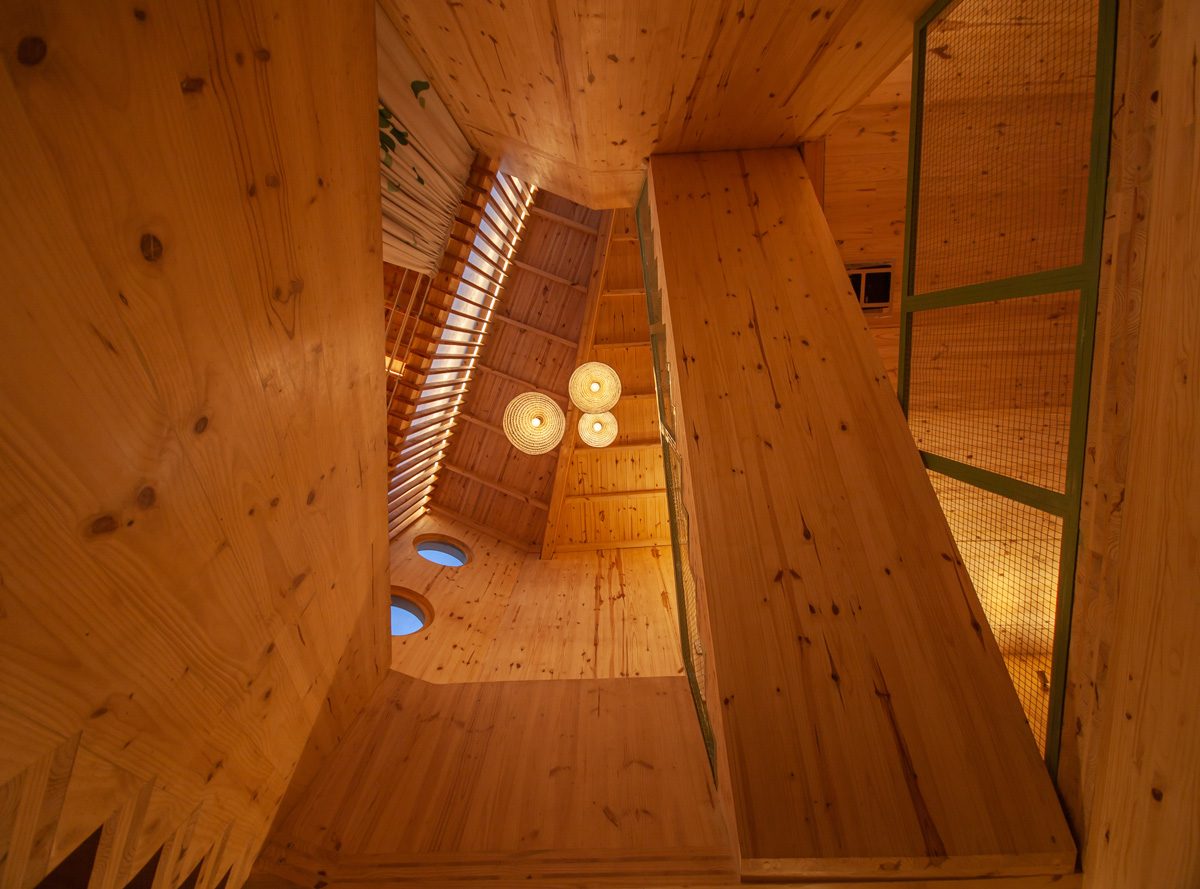
Interplay Between Wood And Light In Architectural Design
The warmth people feel in a well-designed timber interior is not accidental. It is the result of understanding how wood and natural light interact — and designing for it deliberately.
Wood and light behave differently in every building, and the relationship between them is one of the more reliable indicators of whether a space has been designed with genuine attention or simply decorated. In a room where timber surfaces have been positioned to catch and diffuse natural light, the quality of the interior shifts through the day in ways that feel alive. In a room where the same materials appear under artificial lighting, the effect is flat. The difference is not the wood. It's the thinking about where the light comes from.
Timber's warmth comes partly from its visual properties — the grain, the colour variation, the way it absorbs rather than reflects light — and partly from its tactile ones. A timber floor underfoot feels different from stone or tile in a way that registers before it's consciously noticed. These sensory qualities make wood one of the few materials that changes the emotional register of a space without requiring any additional layer of design to do so. Used well, it makes a room feel inhabited rather than constructed.
Natural light has its own logic in any given building. It changes with the time of day, with the season, with the weather. Windows positioned to bring in morning light from the east produce a different quality of interior than those catching afternoon sun from the west. Skylights create a quality of downward light that no window can replicate. Clerestory windows allow light to enter high on a wall and fall across timber surfaces — ceiling beams, panelling, a staircase — in a way that emphasises the material's texture and depth. The movement of light across wood through the day is one of the things that makes spaces designed around this relationship so satisfying to be inside.
Shadow matters as much as light. The contrast between the two is what gives a space visual depth — what allows a room to feel three-dimensional rather than flat. Timber's grain catches shadow in a way that smooth, painted surfaces don't. Deep reveals around windows, projecting sills, and structural timber elements all produce the play of light and shadow that keeps a room interesting across different conditions. A space designed around this understanding looks different at 7am than it does at noon, and different again at dusk. That variability is not incidental — it's one of the primary ways architecture produces the feeling of being somewhere rather than just somewhere adequate.
The practical dimension of this is worth stating plainly. Natural light reduces reliance on artificial lighting, which reduces energy consumption. Timber from responsibly managed sources is one of the more sustainable structural and finish materials available. The sensory and the sustainable case point in the same direction, which makes wood and light not just an aesthetic preference but a reasoned approach to what a building is for.