Age-Friendly Designs: Creating Homes For All Life Stages
Accessible design is not a specialist concern. It is what happens when a home is designed for the life you will actually live in it, not just the one you are living now.
The homes that serve people best over time are rarely the ones designed for a specific moment in life. A house that works perfectly for a young couple but requires significant modification when children arrive, or when parents age and mobility changes, is a house that will cost more over its lifetime than one designed with that range in mind from the start.
Accessible design is most often discussed in the context of disability, but its benefits are broader and its costs lower when considered early. Wider doorways — comfortable for a wheelchair but also for moving furniture, carrying a pushchair, or simply moving through the house with armfuls of shopping — add almost nothing to construction cost at the design stage. Step-free thresholds, lever handles instead of knobs, and bathrooms that can be adapted for changing mobility needs follow the same logic. The decision to include them is straightforward when a house is being designed; the decision to retrofit them later is expensive and disruptive.
Flexible layouts extend the same argument. Open-plan designs that can be reconfigured — partitioned for privacy when required, opened up for gatherings, subdivided to create a separate suite for an ageing parent or an older child seeking independence — provide a range of options that fixed layouts don't. This adaptability doesn't require the house to look provisional. It requires the structural decisions to be made with optionality in mind.
Smart home technology serves age-friendly design particularly well when it's integrated from the beginning. Automated lighting that responds to movement reduces the risk of falls at night. Voice-controlled systems allow people to manage their environment without physical effort. Security systems that can be monitored remotely give family members visibility without requiring constant presence. None of these features is exclusively about age — they make daily life easier at any stage — but their value compounds as the years pass.
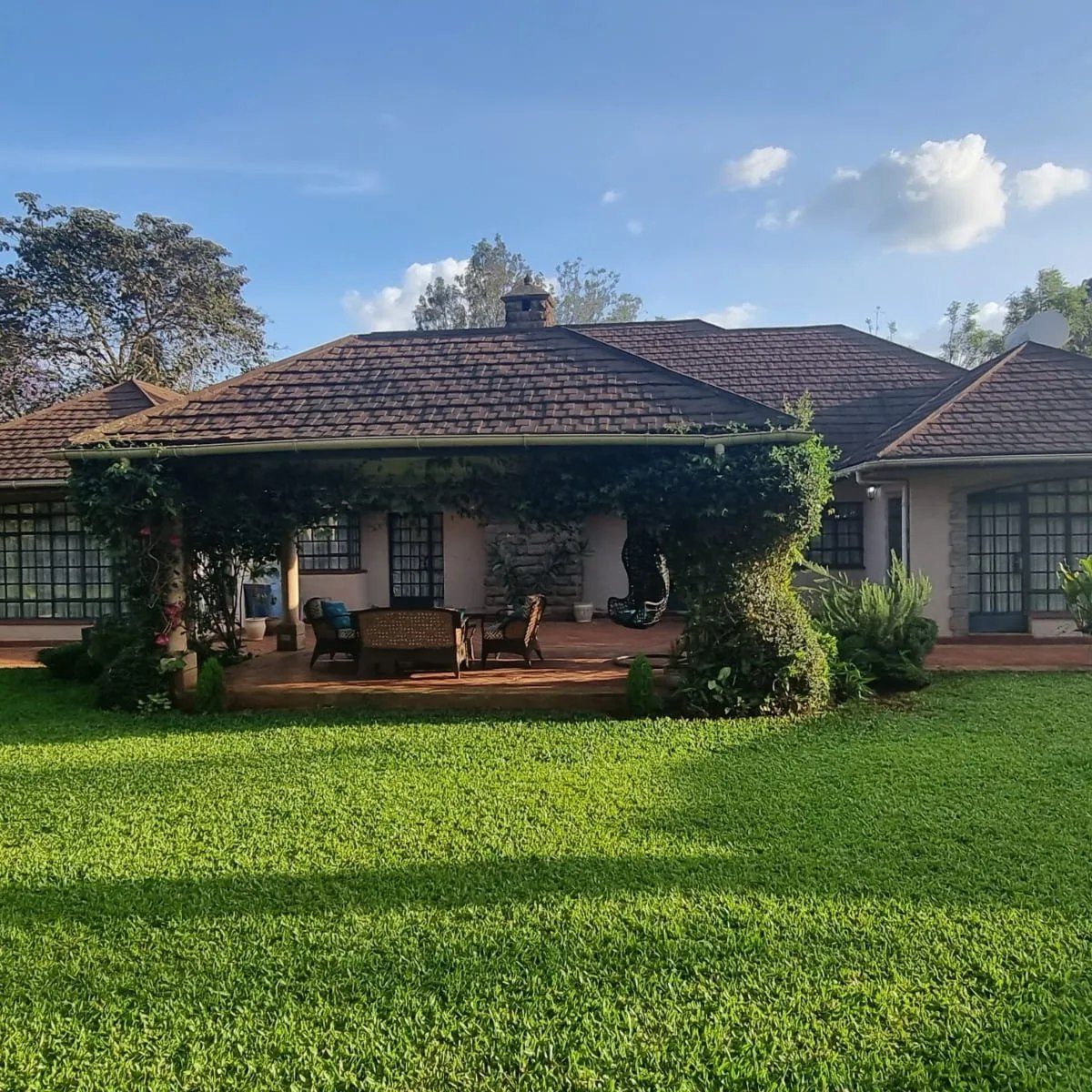
Outdoor spaces deserve the same consideration. Gardens and terraces that are accessible at ground level, with paths wide enough to navigate comfortably and surfaces that don't become treacherous when wet, remain usable across decades. Shaded areas that respond to Kenya's climate — whether the highland coolness or the coastal heat — mean outdoor living is a genuine option rather than a seasonal one. These are design decisions, not afterthoughts, and the houses that get them right tend to be the ones where people choose to stay.